Monday - case film
Mobile film production
Case film - Goodmorning
The purpose of Monday
By the end of today, you have produced a case film based on this process:
Step 1: Case Film - guidance for production
Step 2: Outline - the big overview
Step 3: Story board and plan
Step 4: Recordings and AI generation of video clips
Step 5: Editing
Step 6: Add the case film to your concept description powerpoint
Time: 09.30-10.15
1. Case Film - guidance for production
Michael will help you get your ideas down to the bone and get an overview to produce your case film.
How to structure your film and how to implement AI into your solution and work process?
Link to todays presentation: Film sprint.
Hand-in folder: Paste the presentations and films intoto the folder.
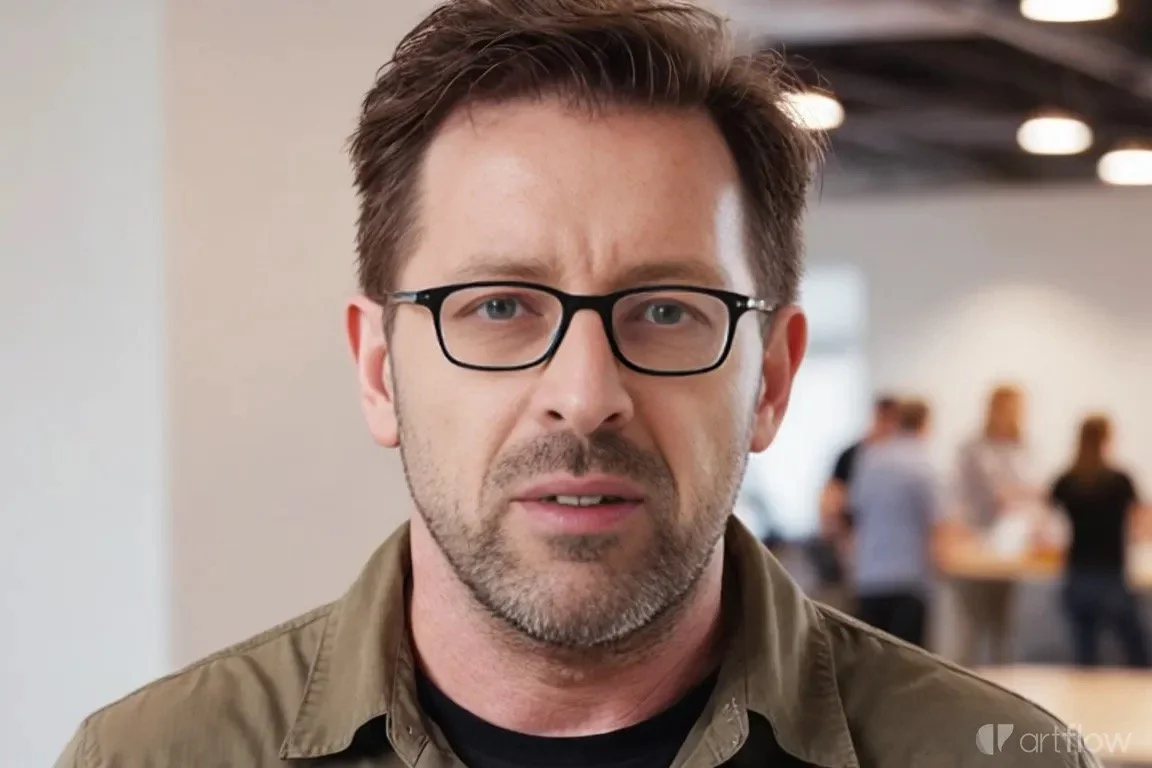
Michael Frederiksen
Education design specialist
AI education, innovation, and filmmaking
2. Outline - the big overview
To persuade your audience to adopt your idea, focus on clarity and relevance.
Especially when you want to fully harness the power of film persuasion.
Task
Give precise and short answers to the questions usually answered in a case film.
Your insight report and your concept description will help you answer the questions.
Process
Step 1: Answer the questions below on post it’s
Step 2: Structure the post it’s on a big peace of paper using the same structure as the case film: Act 1, act 2, act 3.
Product
The result is an overview or an outline of the case film structure before you make the storyboard.
Questioning your concept
Act 1: The problem and the insight - relevance
Introducing the problem:
What is the overall problem caused by AI, the root cause and insight you have decided to focus on?
Deepen the perspective:
How are the target group affected by this specific problem?
Future scenario:
Can you shortly describe and visualise what could happen years from now if the problem is not solved?
Act 2: The solution idea
What is the name of the solution idea?
Can you describe the idea and goal clearly and concisely in a few words?
Do we need a “demo” or a description of the solution idea?
What are the benefits for the target group and society?
How will the solution improve the situation?
What impact does the implementation have on democracy?
How can you visualise the positive effect once the solution is implemented?
Act 3: Call to action
What is the most relevant and strong call to action?
3. Storyboard and plan
You can make your outline into a better story by adding visuals, dialogue, voiceover, and scenes.
We will do so in the form of a post it’s story board. And after that you shold make a simple production plan.
Task
Turn your outline into a paper storyboard with the visual elements neccessary to start recordings almost immediately after.
Process
Step 1: Draw or visually describe how each act should look on screen. This can include camera angles, actors' placement, use of graphics and AI-generated clips, etc.
Step 2: Identify and outline the key scenes that will be most effective in conveying each part of the story.
Step 3: Note where there should be speak, direct camera presentations, or other dialogue and how it should complement the visual elements.
Step 4: Plan locations and decide if you need extra background actors or roles.
Step 5: Get feedback and adjust the structure to ensure the finished product achieves the desired results.
AI help
An AI can help you get ideas how to transform your solution idea into a storyboard.

Lunch break 12.00-12.45
Step 4, 5, 6: Recordings, AI-generated clips, editing
We aim to create a hybrid video that combines traditional film with AI-generated content. Make sure in the editing process to communicate the specific AI-generated parts.
Process
You will manage your time independently. Make sure you get your recordings done early to make time for the editing process.
Tools
We suggest using various AI software. You can use any payed subscription tool as long as it meets your education or workplace guidelines.
Hand in your case film
The case film must be submitted by Monday the 23 Nov at 17:00.