NextGenDemocracy
A Nordic-Baltic innovation lab for highschool and journalism students.
The new generation must re-invent democracy.
And equip themselves with the tools to understand and combat AI-generated disinformation.
Youth for AI truth - ideas to use.
Participants from Belarus, Sweden, Estonia, Latvia and Denmark.
Copenhagen Media Highschhool, Next. Sept. 20-23, 2024.
Your ideas are needed right now
Because AI-generated disinformation is spreading. Fast.
Your mission is to come up with new, relevant initiatives for young people to engage in safer and more trustworthy media and real-life interactions, and/or to combat AI-generated disinformation.
Your target audience, young people aged 18-22, has a great need to be able to understand how AI-generated disinformation works and equip themselves with the tools to prevent AI-generated disinformation cause damages to democracy.
In this way, you can proudly take responsibility for your own and our common future.

Your creativity can better democracy
Imagine if you could play a main role in inspiring your generation to understand and prevent AI-generated disinformation - regardless of platform choice, gender, or conviction. How might we improve democracy for future generations?
You will step out your usual role as a student or a journalist and take a deep dive into the world of innovation and filmmaking.
A range of experts will introduce you to AI-generated disinformation, creative problem-solving, AI filmmaking, the effects, and driving forces of the above.
Receive valuable feedback and discuss your creative suggestions with peers and professionals throughout the week.
Let’s better the world together.
Briefing
Problem
AI-generated disinformation is spreading everywhere. This poses a significant challenge for the youth aged 18-22 because 1) they risk being deceived by deepfakes, 2) they lose trust in legitimate sources of information, 3) they are being met with reinforced cognitive biases, and 4) they are being misled in their democratic participation.
Generation Z insight brief and futures design
Create a one-page Generation Z insight brief based on factual research on the 18-22-year-olds preparedness for AI-generated disinformation, and two future scenarios:
1) if we do nothing about the problems young people face with AI-generated disinformation
2) if we develop solutions to proactively prevent AI-generated disinformation.
Then, develop a new creative solution that
solve the root cause of the most relevant AI-generated disinformation problem for 18-22-year-olds, aiming to improve their preparedness and prevent the negative effects.
Your idea should spring from an insight into the root cause young people recognize. Consider if activism, AI technology, journalistic media, education, or storytelling might help solve it.
Product - Create a case film, maximum 2 minutes, about:
The root cause of the youth's problem with AI-generated disinformation and a foreseeable negative future scenario if nothing is done to prevent the problem.
Your idea to build NextGenDemocracy describing how your creative solution work and fit into a positive future scenario.
Are deepfakes in porn or politics the most urgent problem?
It sounds like a nightmare for a young person completely unaware, having their face transformed into a digital twin acting in a porn movie. And in the same manner for a politician or whoever to experience a deepfake of oneself presenting false or untrue messages on digital media.
Creative content - for real?
Do you listen to synthetic AI imitations of Taylor Swift, Drake, or The Weeknd? Or do you prefer the real deal? What’s the problem?
Maybe record companies might say to the artists: “We don’t need you anymore.” On the other hand, some artists want protection from being copied and losing their source of income.
The same AI-dilemmas exist within journalism, filmmaking and publishing.
Can AI-created journalism replace journalists like Belarusian Svetlana Alexievich, known for her documentary works such as "Voices from Chernobyl"? Do we actually need real life actors such as Swedish Alicia Vikander, starring in "Tomb Raider" and "The Danish Girl"?
Education or sabotage?
The immediate access to content where it’s difficult to distinguish right from wrong calls for action.
Should critical thinking and source criticism be given greater focus in education? Do we need to address the false narratives in education in general or only within science education?
When big politics is at stake
It’s no wonder politicians are favorite targets of AI-generated disinformation campaigns since power and conflicting interests are at stake.
But open and honest public discussion forums are fundamental for democratic elections. Politicians and citizens must interact without interference from untrue AI communication which is essential at global, national, and local levels.
Is it too crazy to claim that today's major problems are easier to solve if young people understand and take precautions against AI disinformation? How do we build mutual trust? How do we nurture free speech and honest interaction between people? And how should meaningful media coverage of politics look like in the era of AI?
Your idea should solve a problem
-
The AI disinformation problems
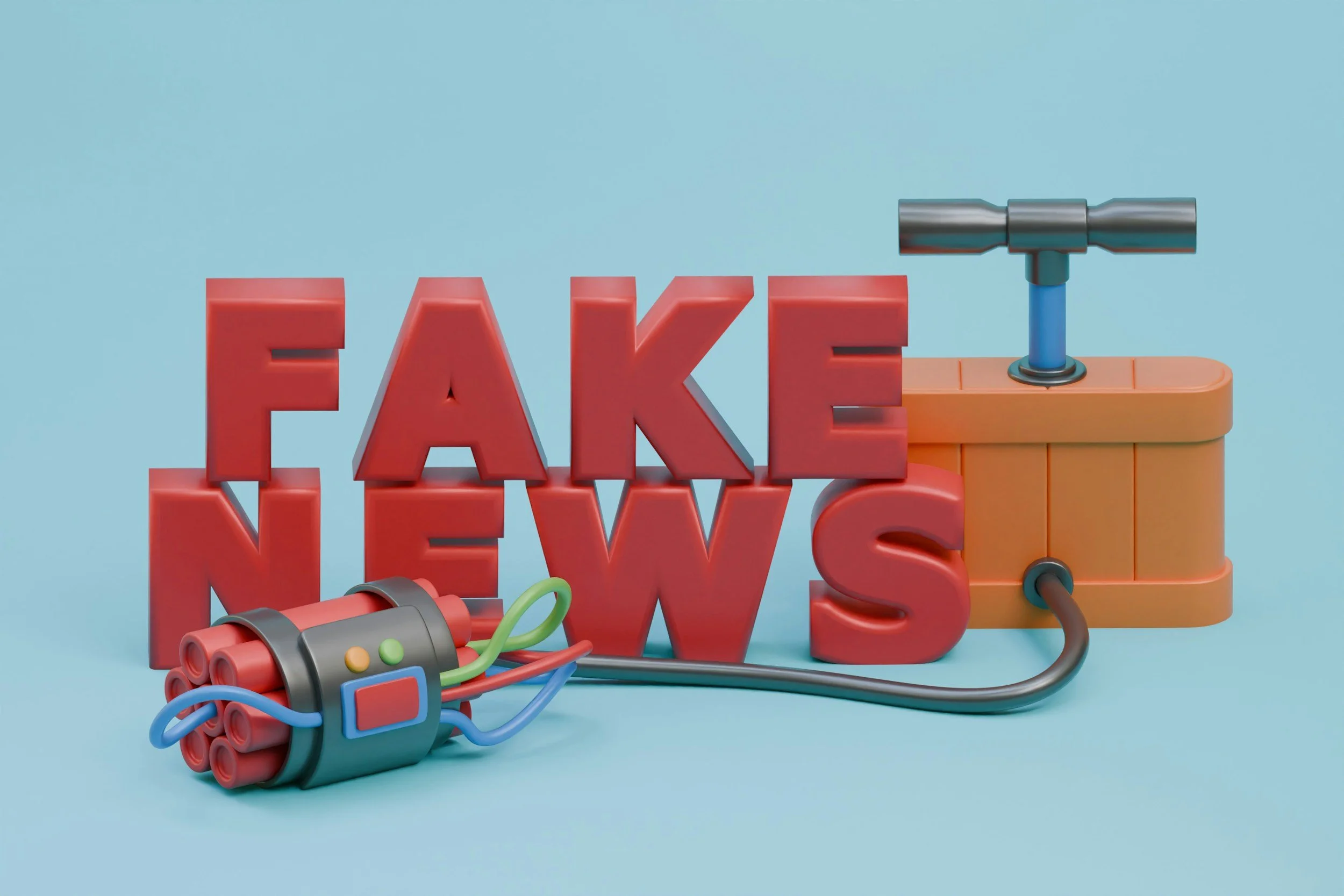
Manipulation through deepfakes: Deepfakes can manipulate content making it difficult for young people to distinguish real from fake content.
Cognitive biases: AI algorithms leads to promoting content that aligns with users' existing beliefs, creating echo chambers.
Trust in information sources. Disinformation leads to confusion about what is true and reliable with reduced trust in legitimate information sources.Influence on democratic participation. Mis-and dis-information can distort peoples understanding of issues and lead to misinformed voting among (young) people.
Image/Unsplash
-
A well functioning democracy
Room to be yourself?
Yes, a good democracy allows for individual expression and resolves conflicts through dialogue and understanding, creating a sense of belonging. It strengthens trust and cooperation. Similarly, democratic culture values diversity, and transparency.How do we build democracy?
Activities like having a party, setting common goals, or cultivating common interests. Genuine interest in others is valuable. Democratic culture emphasizes tolerance, active participation, respect and protection of rights.Everyone’s voice should be heard and valued.
Image/Unsplash
-

The people exposed
According to our research, some groups are particularly exposed of disinformation wether they find their digital twin in porn, find their music copied by an AI on Spotify, hear their voice promote false messages:
- Politicians
- Public figures
- Women
- Journalists and TV-hosts
- Creative content providers (music, text, film, etc.)The image is AI-generated/Midjourney
-

What is AI disinformation?
During this NextGenDemocracy project we primarily focus on AI-generated disinformation.
“Disinformation is deliberately misleading information whose purpose is to attract and convince many recipients. In contrast to misinformation, disinformation is intentional, i.e. is spread knowingly and knowingly that the information is incorrect”.
This definition is directly translated from recognised Danish digital encyclopedia, lex.dk.
The image is AI-generated/Midjourney
-
Democracy and human rights
What on earth has disinformation got to do with human rights?
Respect for human rights - and the access to true information - helps make democracy work effectively.
Democracy and human rights support each other. Democracy protects human rights because the people have the power to elect their leaders and thereby hold them accountable.
Image/Unsplash
-
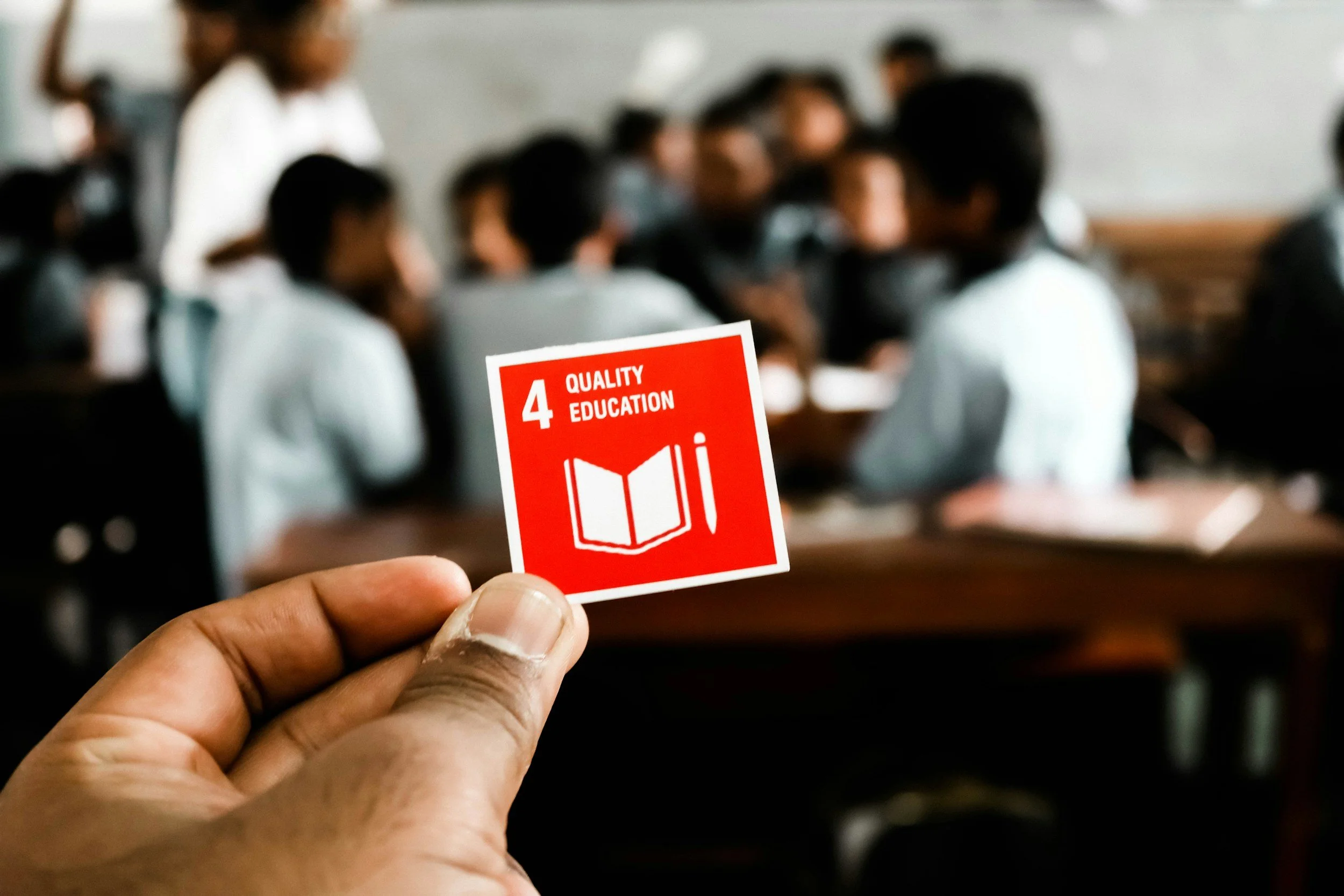
Sustainable Development Goals
4. Quality education - how can educations co-create democratic culture?
10. Reduced inequalities - equal opportunities for all in the democratic participation?
16. Peace, justice and strong institutions - institutions who promote inclusion, community and democracy.
17. Partnerships for the goals - working together across borders for better democracy.Image/Unsplash