
Film & AIdea Labs
Methodology
Our unique methodology is tailored for young people to become active shapers of their own future at a time where human identity, culture, and democratic participation are being transformed by AI. The Lab is necessary because education needs their perspective more than ever. The format was developed and is led by Michael Frederiksen, Lab Lead & Inventor of the NextGenDemocracy Film & AIdea Lab format.
Through mastery, students strengthen their critical thinking, creativity, and confidence, providing a proven model for future education.
The core method, developed by Frederiksens since 2020, combines human ethics and AI, strategic planning, design thinking, journalism, and filmic storytelling. It is founded on the Double Diamond innovation process. The key to mastery is a precise focus on one specific problem, making both creativity and filmmaking easier.
Digital playbook for creative process overview
The playbook is the digital focal point that guides students step-by-step through all phases of the design thinking process.
It ensures that all AI tools and guidelines for hybrid film production and innovation are integrated into one cohesive learning sequence.
The lab unfolds over three, four og five intensive days
Day 1 focuses on problem understanding (Discover/Define). Students use Empathy Mapping to identify ethical "pains" and determine the root cause of AI challenges.
Day 2 is dedicated to creative development (Ideation). AI is integrated for idea generation in various expert roles , and concepts are refined through feedback from specialists and testing on synthetic personas.
Day 3 culminates in producing a maximum 2-minute case film to sell the solution. All processes are fully supported by Generative AI, utilizing a hybrid production model (traditional footage + AI clips).
Day 4 Optional half-day with participant awards, showcases, and evaluations.
The lab should solve a problem
-

Our human-centric approach
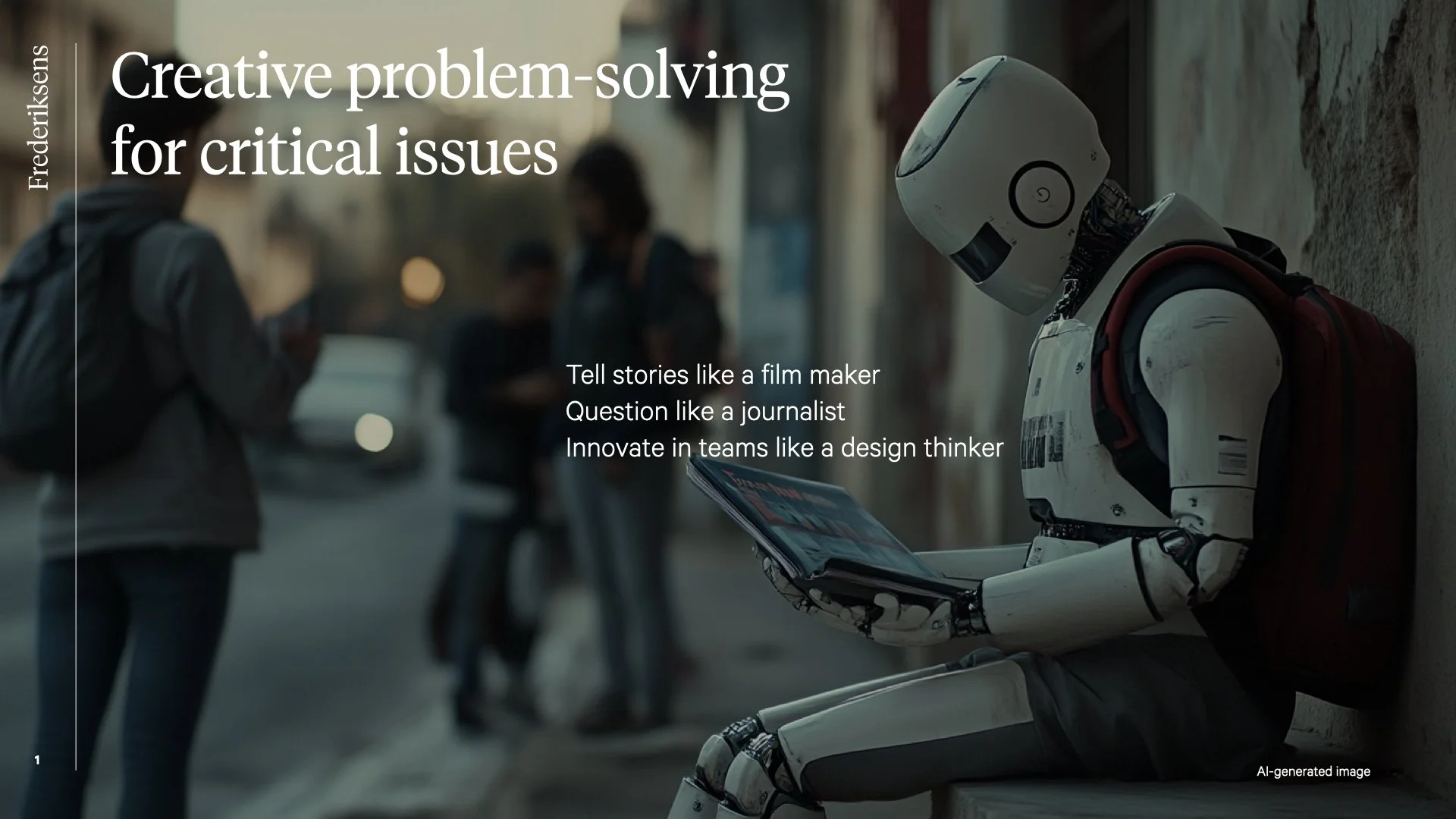
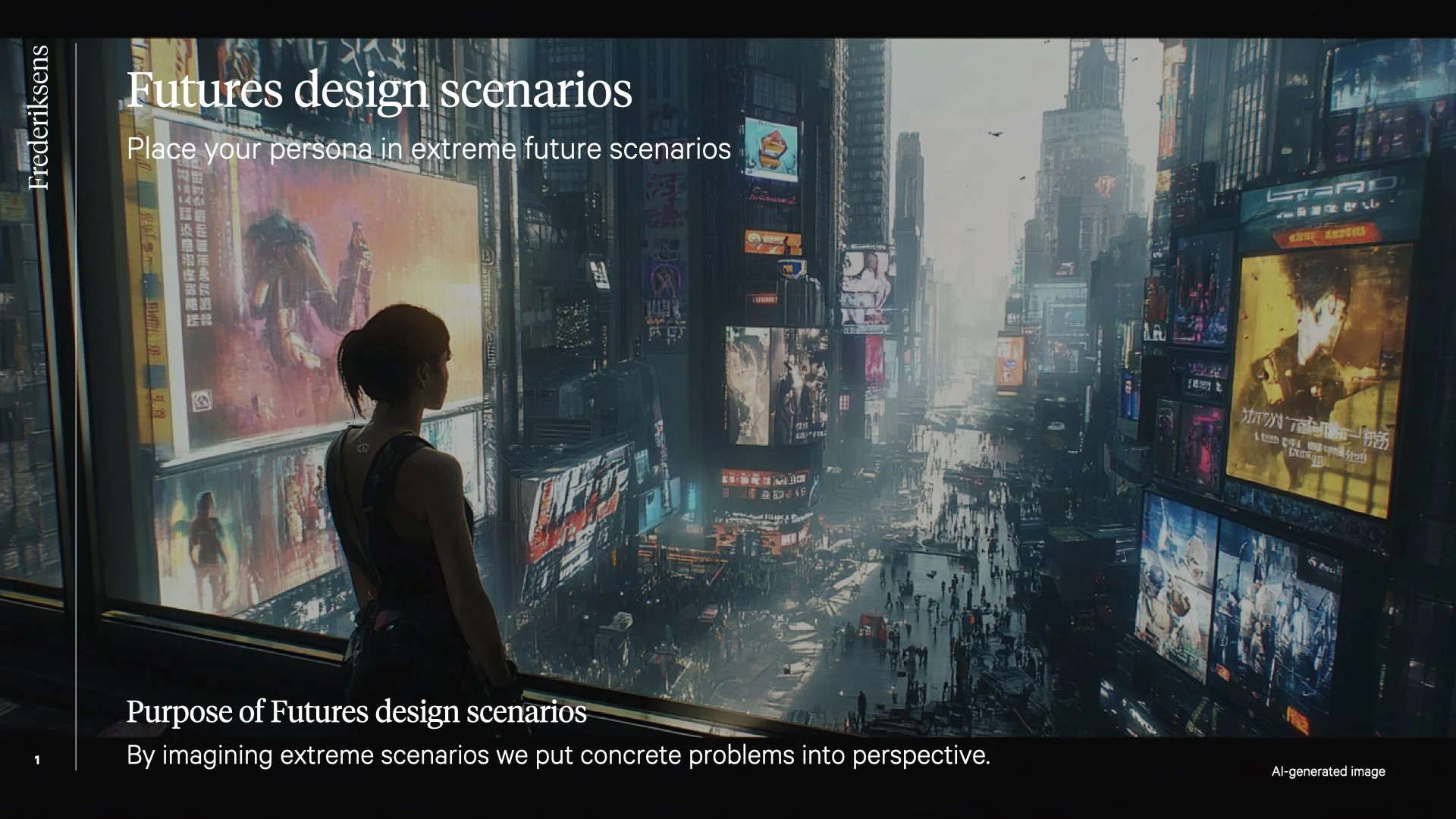
During this lab, we focus on transforming the risks of AI into opportunities for change.
We explore how individuals and society may be affected. And invite the next generation to define the best actions forward.
These actions are shaped through close collaboration between young participants and expert voices.
We welcome AI into our lab. Not as a master, but as a creative and critical companion.
Only by using AI thoughtfully can we truly learn what it means to stay human in an AI-powered future.
The image is AI-generated/Midjourney
-
Ethics and AI
The use of AI can pose an ethical threat to democratic processes and human culture.
When technology distorts citizens’ understanding of societal conditions, it can lead to manipulated elections and weaken the foundations of an informed democracy.
This raises a critical question about how we as a society ensure that AI becomes a tool for enlightenment rather than manipulation, especially to protect the democratic participation of young citizens.
Image/Unsplash
-

A well functioning democracy
Room to be yourself?
Yes, a good democracy allows for individual expression and resolves conflicts through dialogue and understanding, creating a sense of belonging. It strengthens trust and cooperation. Similarly, democratic culture values diversity, and transparency.How do we build democracy?
Activities like having a party, setting common goals, or cultivating common interests. Genuine interest in others is valuable. Democratic culture emphasizes tolerance, active participation, respect and protection of rights.Everyone’s voice should be heard and valued.
Image/Unsplash
-

The people exposed
According to our research, some groups are particularly exposed of disinformation wether they find their digital twin in porn, find their music copied by an AI on Spotify, hear their voice promote false messages:
- Politicians
- Public figures
- Women
- Journalists and TV-hosts
- Creative content providers (music, text, film, etc.)The image is AI-generated/Midjourney
-
Democracy and human rights
What on earth has disinformation got to do with human rights?
Respect for human rights - and the access to true information - helps make democracy work effectively.
Democracy and human rights support each other. Democracy protects human rights because the people have the power to elect their leaders and thereby hold them accountable.
Image/Unsplash
-
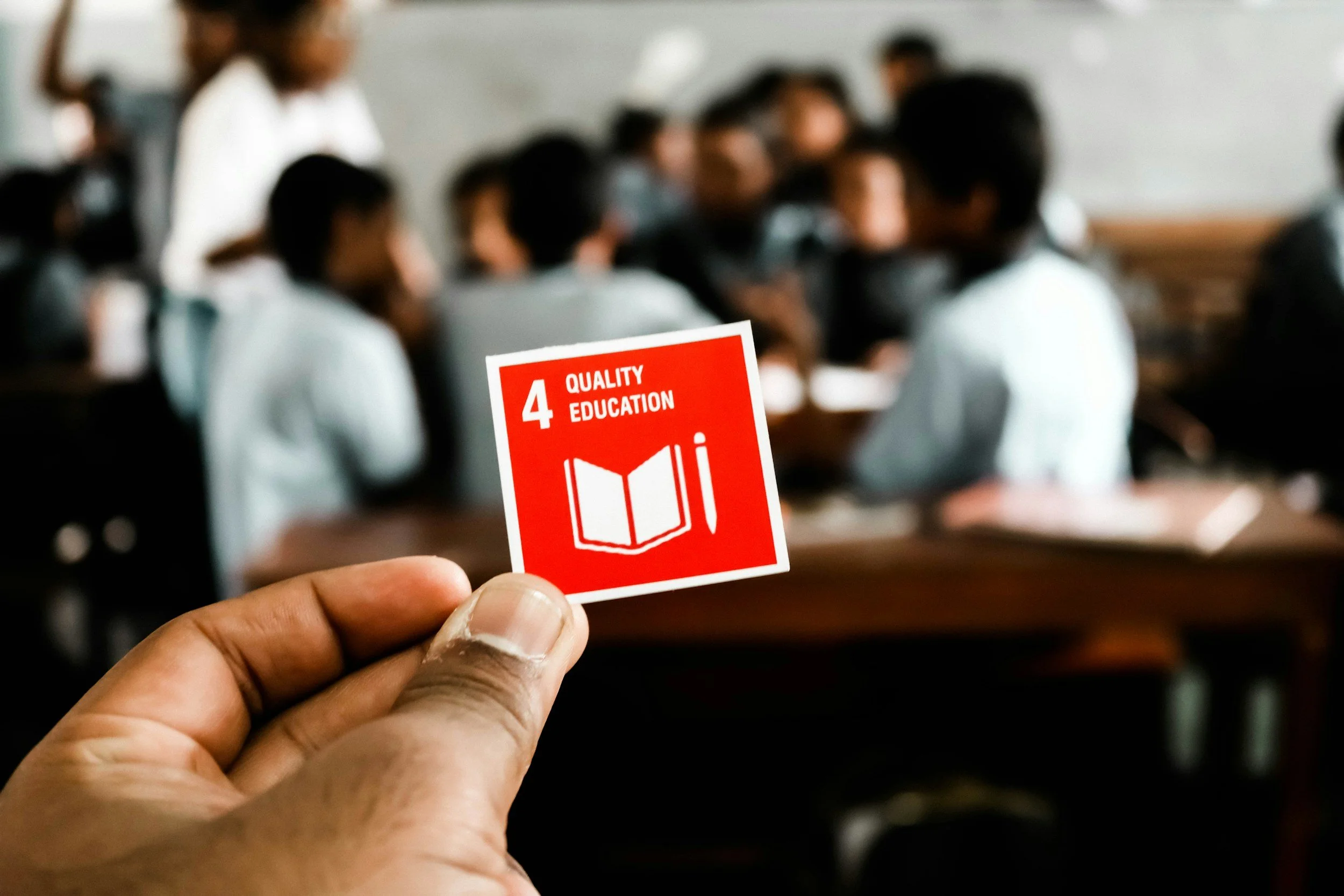
Sustainable Development Goals
4. Quality education - how can educations co-create democratic culture?
10. Reduced inequalities - equal opportunities for all in the democratic participation?
16. Peace, justice and strong institutions - institutions who promote inclusion, community and democracy.
17. Partnerships for the goals - working together across borders for better democracy.Image/Unsplash
-
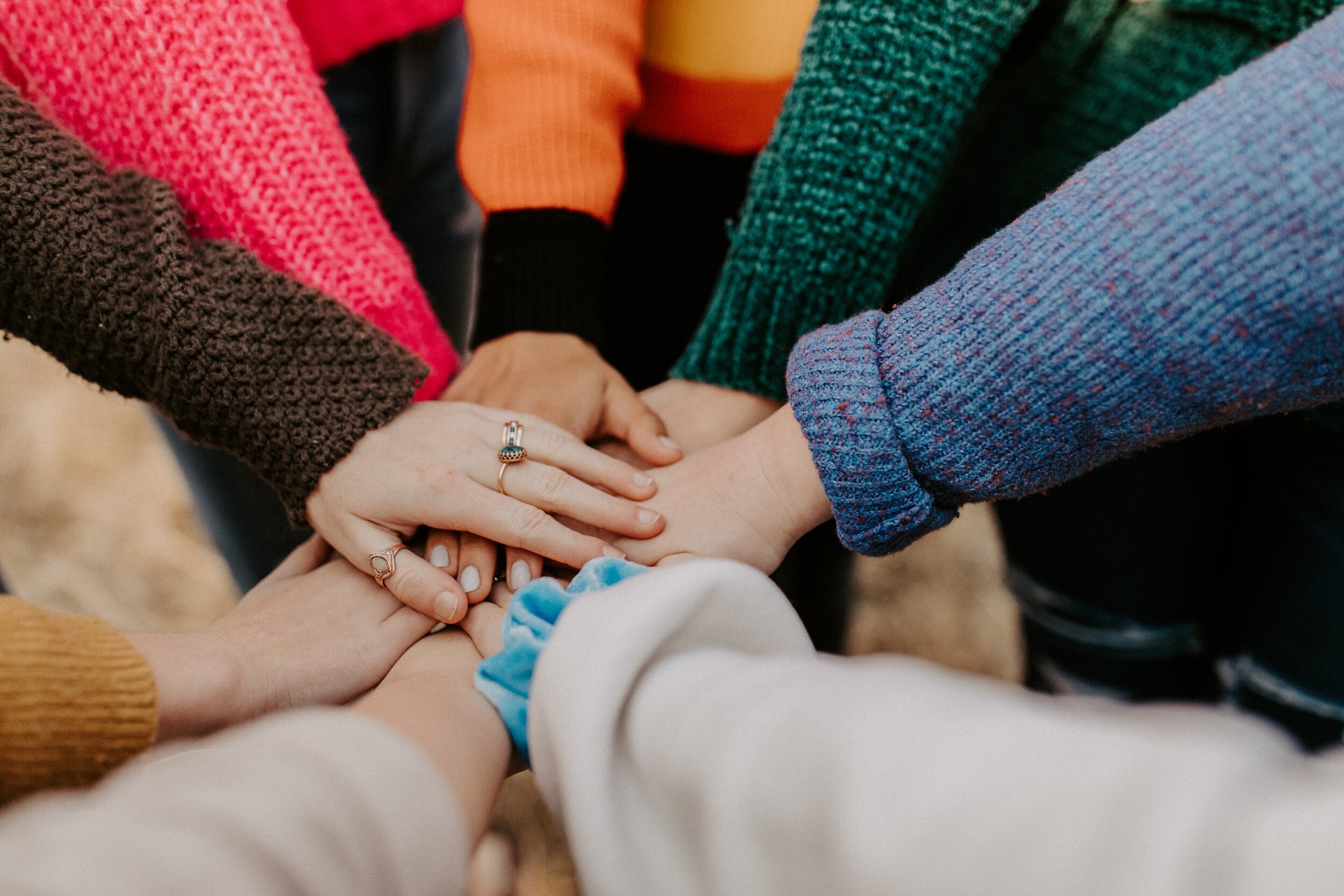
Creative teamwork
The first task will be to make your group feel safe together. Ask your group two questions each day during the week:
1) Do we listen to each other?
2) Do we all contribute to the collaboration?
Then your collaboration will run really well.
You must work in groups because the task is difficult. It requires so many different skills that you could not possibly solve it individually.
Take the lead in collaboration where it makes sense. It quickly turns out that the group members are good at different things - and therefore you have to listen to everyone. One is good at analysing problems, another is good at video editing, etc.
You will get better results if you realise you have two ears and only one mouth. The ears outnumber the mouth, and it is instructive to use your listening capacity mostly with your group.
Show the others you are listening! Ask what the others really think. Accept that there are opinions other than yours. It will ultimately make it more educational for everyone.
Someone feels most secure if they talk a lot and are recognized for what they say. Others feel most recognized when they are listening.
You will become more creative and more giving if you accept each other as you are.
-
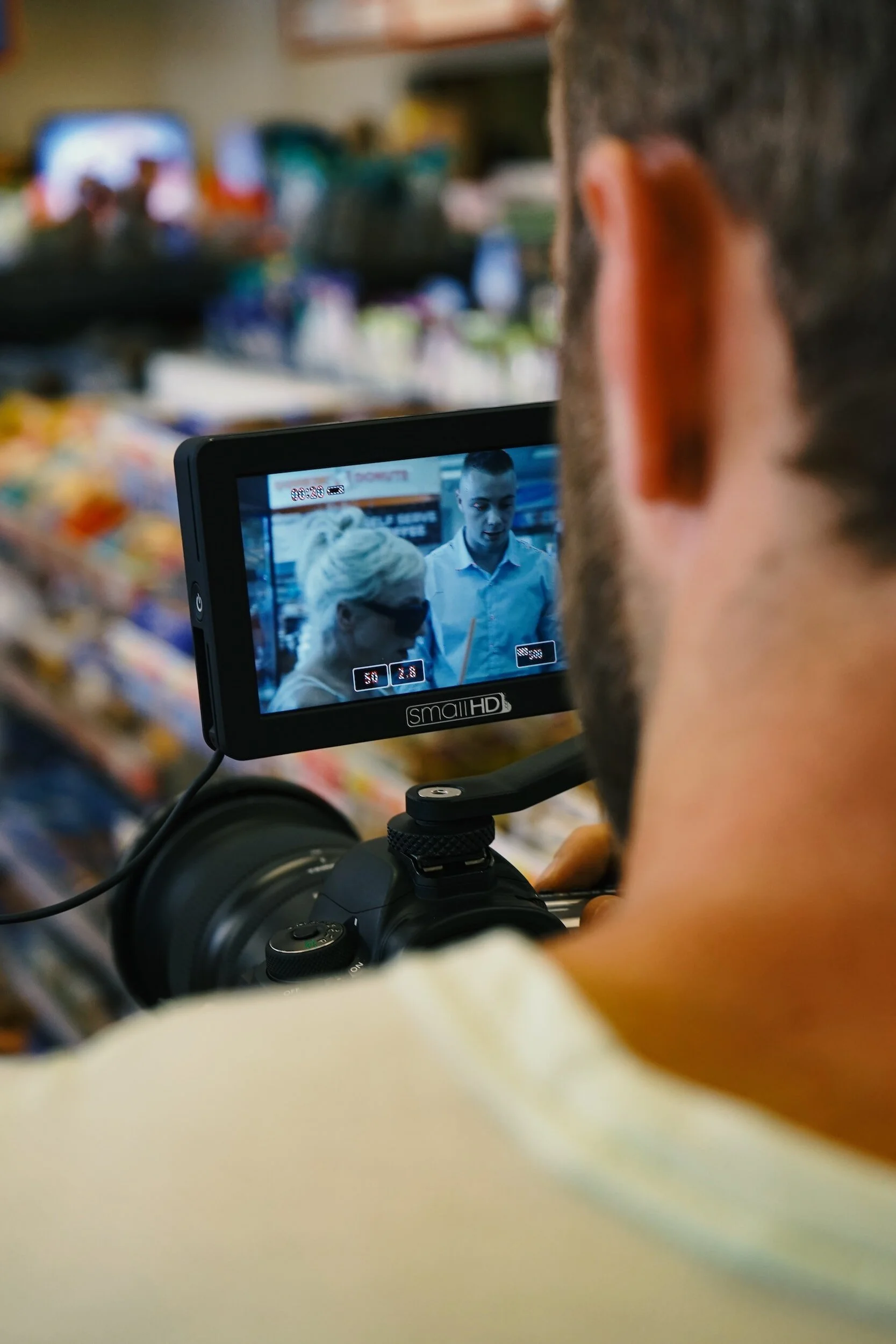
Case film
The case film's sole task is to provide evidence of the problem and solution.
Your case film - or pitch film - must prove to others that your idea can solve the problem. Therefore, the case film must show 1) the problem as the target group actually sees the problem and 2) your idea / concept to solve it.
In the presentation of the problem, you are welcome to visualize the problem with acting, perhaps cover it with interviews or show parts of your process from the week. The presentation of the problem can also contain facts about the extent of the problem and what the consequence is.
The part of the film that is about your solution must show that the idea solves the problem. Here too you can show plays, use graphics, use interviews etc. Does your solution prevent the problem? Or does the solution remove the negative consequences once the damage has occurred?
-
Creative problem-solving
You have to fight the problem with the help of creative problem-solving. It is about speaking through your actions - as in story doing. What you actually do tells who you are and what you stand for. This way we get to know you and your values.
It is important to do something really useful to prevent or cure the problem. And that you do it with insight into what lies behind the problem.
Afterwards you can activate your solution on Youtube, Instagram, Tik Tok or in the news and inspire others to also do something good. Not as an end in itself, but to make the world a more fun and responsible place to be.
The world always has problems - lack of human rights, digital violations, pandemics, climate change - so it takes action to create change and awareness of the challenges. If you want to solve a problem, acting on your knowledge is more effective than talking about what you would like to have done.
The advertising and marketing industry has embraced story doing. There is a wave underway where companies are putting initiatives into action to improve the world. They do it through useful actions - not through traditional advertising campaigns, films and ads.
Microsoft helps Save the Children free of charge with their IT solutions for the good cause. TooGoodToGo helps stores avoid food waste by selling it cheaply instead of throwing it away. Just to mention a few.
During the project, you must create better well-being in the digital world by coming up with new suggestions to solve important problems creatively - with the help of creative problem-solving.
-
Design sprint
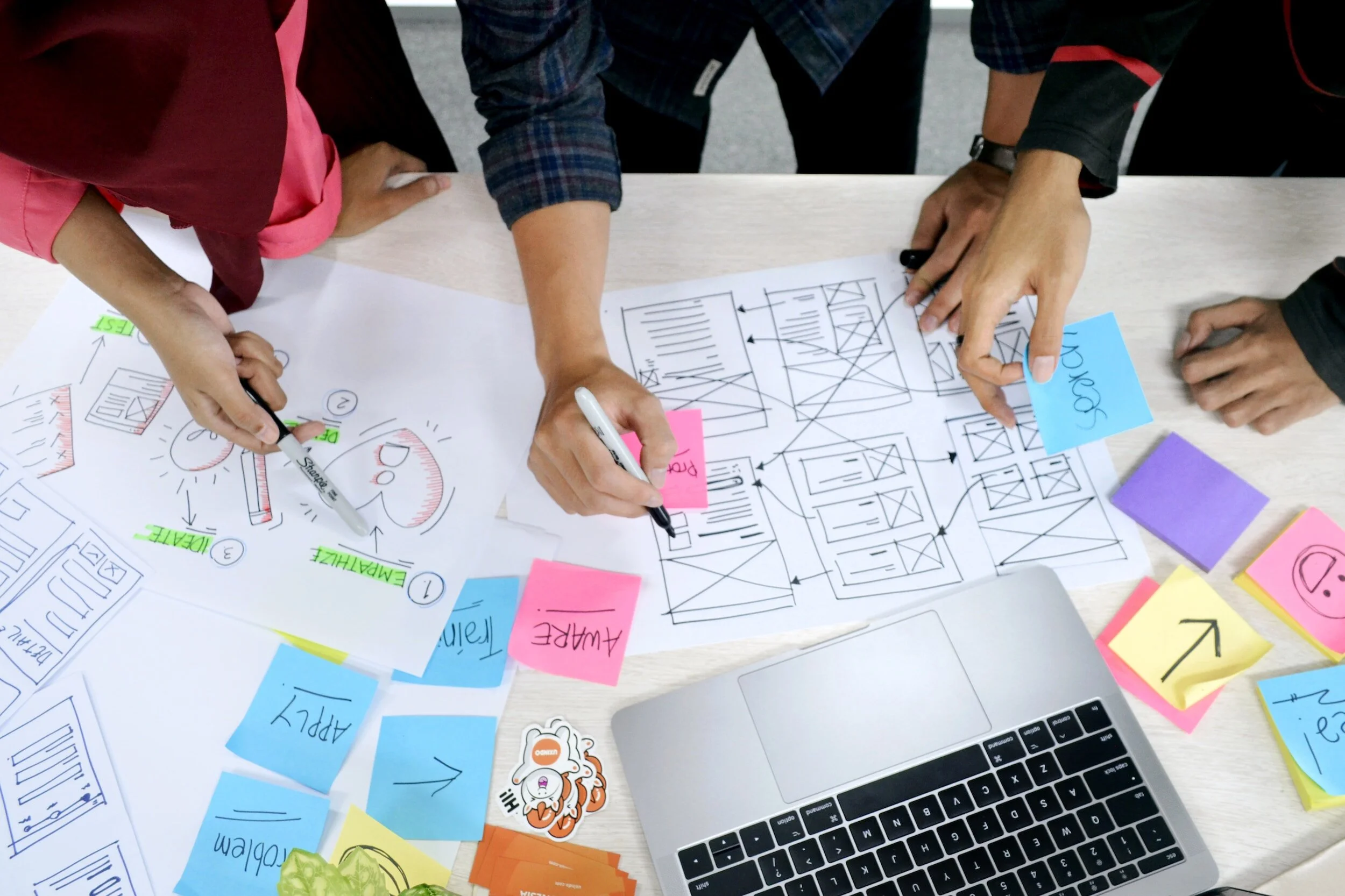
The project is a design sprint with fixed activities and deadlines, so you move towards a clear goal.
The process is specially designed for innovation and communication to the outside world about how you can change the world with creative problem-solving and innovation.
You will solve creative tasks in a fixed order: Strategy with, among other things, personas, creative idea development, case films and knowledge sharing. It helps you hit the spot with your creative solution and learn a lot along the way.
You get new knowledge from experts before each task to push the activity into motion, and there are requirements and deadlines for the tasks. Then you know what you have to work with and deliver. Your group will be guided to define goals and seek inspiration.
Your many case films become a kind of prototypes with inspiration for everyone about how the problems can be solved.